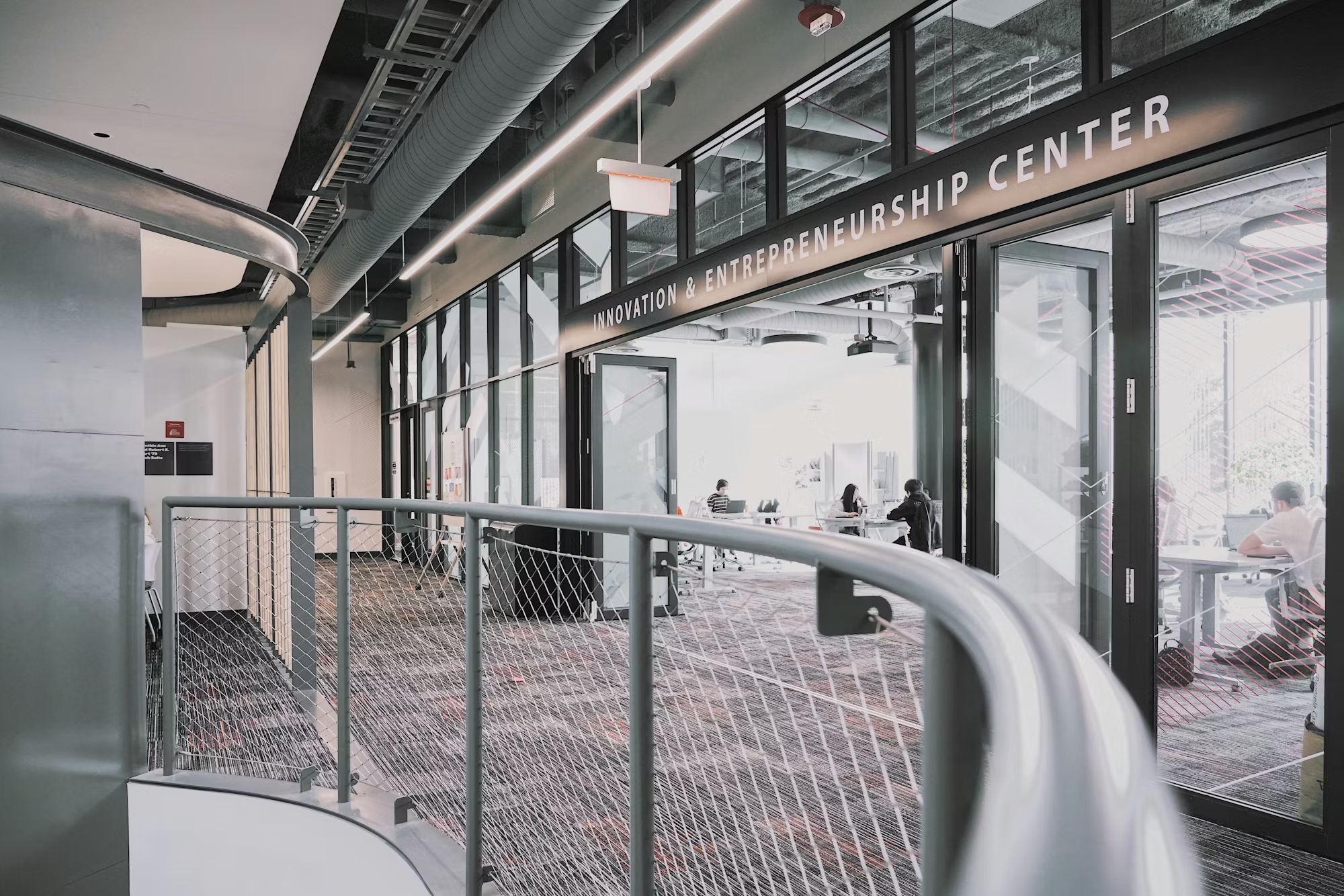
Diversity in higher education is not merely a buzzword; it is a fundamental principle that enriches the academic experience and fosters a culture of innovation. As educational institutions increasingly recognize the value of diverse perspectives, the benefits of embracing diversity extend beyond the classroom, shaping future leaders and fostering creativity in a rapidly changing world. This article explores the importance of diversity in higher education and its role in driving innovation, collaboration, and global understanding.
At its core, diversity encompasses a wide range of identities, including race, ethnicity, gender, socioeconomic status, sexual orientation, and more. In an academic setting, diversity promotes a richer learning environment by exposing students to varied viewpoints and experiences. When students engage with peers from different backgrounds, they develop a broader understanding of the world, enhancing their critical thinking and empathy.
One of the primary benefits of diversity in higher education is the stimulation of creativity and innovation. Research has shown that diverse teams are more effective at problem-solving and generating new ideas. This phenomenon occurs because individuals from different backgrounds bring unique perspectives and approaches to challenges. As students collaborate on projects, they can draw from a wider array of experiences, leading to innovative solutions that may not have been conceived in a more homogenous setting. For example, diverse groups can more effectively tackle complex issues, such as sustainability or social justice, by integrating insights from various cultural and disciplinary perspectives.
Moreover, fostering diversity in higher education prepares students for a global workforce. As industries become increasingly interconnected, employers are seeking individuals who can navigate diverse environments and work collaboratively with people from different backgrounds. By experiencing diversity in their academic settings, students develop essential skills in communication, adaptability, and cultural competence. These skills are crucial for success in a world that values collaboration across borders and disciplines.
Educational institutions are taking active steps to enhance diversity on their campuses. Many colleges and universities have implemented strategic initiatives aimed at attracting students from underrepresented backgrounds. These initiatives may include outreach programs, scholarships, and partnerships with community organizations. By creating pathways for diverse students to access higher education, institutions not only enrich their student bodies but also contribute to a more equitable society.
In addition to attracting diverse students, it is equally important to cultivate an inclusive environment that values all voices. Inclusion goes beyond mere representation; it involves actively engaging students in meaningful discussions and ensuring that everyone feels welcomed and respected. Faculty and administration play a crucial role in fostering an inclusive culture by implementing policies that promote respect and understanding. Training programs focused on diversity and inclusion can empower educators to create an environment where all students feel valued and empowered to share their perspectives.
The role of student organizations in promoting diversity cannot be overlooked. Many campuses feature multicultural student groups that provide a sense of community and belonging for individuals from various backgrounds. These organizations host events, workshops, and discussions that celebrate cultural heritage and raise awareness about social issues. By participating in these activities, students not only learn about different cultures but also develop leadership skills and a sense of agency in addressing societal challenges.
Furthermore, diversity in higher education enhances academic excellence. When students are exposed to a variety of viewpoints, they are encouraged to think critically and challenge their assumptions. This intellectual rigor fosters a dynamic learning environment where students are motivated to engage deeply with course material and explore complex issues. As they grapple with differing opinions, students become more open-minded and better equipped to contribute to meaningful discourse in their fields.
Collaboration is another key aspect of leveraging diversity in higher education. Diverse teams often bring a wealth of knowledge and experience, which can lead to groundbreaking research and innovative projects. Collaborative initiatives, such as interdisciplinary programs and community-based learning, allow students to work together across differences, harnessing their collective strengths. This collaborative spirit not only enhances academic outcomes but also builds relationships that can last a lifetime.
Moreover, the importance of global perspectives in higher education cannot be overstated. As students engage with diverse cultures, they gain insights that extend beyond their local contexts. Study abroad programs, international partnerships, and virtual exchanges allow students to connect with peers around the world, fostering cross-cultural understanding and global citizenship. These experiences prepare students to navigate an increasingly interconnected world, where collaboration and cultural awareness are paramount.
In conclusion, embracing diversity in higher education is essential for fostering creativity, innovation, and global understanding. By creating an inclusive environment that values diverse perspectives, institutions can enhance the academic experience for all students while preparing them for success in a diverse workforce. As educational leaders continue to prioritize diversity and inclusion, the positive impact on both individual students and society as a whole will be profound. The commitment to diversity in higher education not only enriches the learning environment but also equips students with the skills and mindset needed to thrive in an increasingly complex and interconnected world. By nurturing a culture of diversity, we pave the way for a more innovative and equitable future.